Showing posts with label Maharashtrian Cuisine. Show all posts

Monday, 24 August 2009

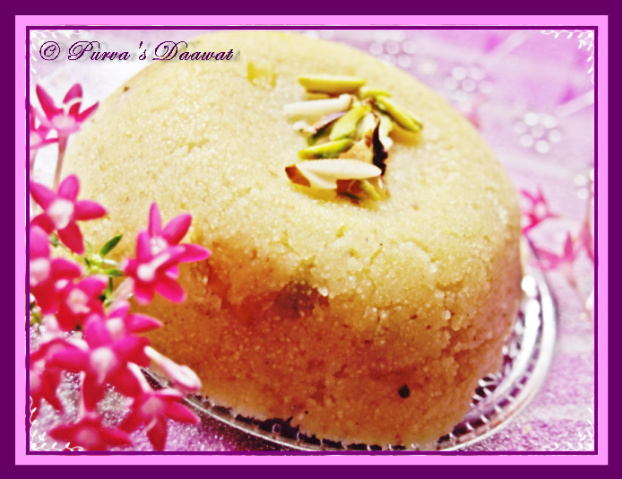
Suji Ka Halwa ~ Rava Sheera

Suji ka halwa

Wishing Happy Ganesh Chaturthi

Lord Ganesha is the God of prosperity and wisdom. Ganesh Chaturthi is celebrated with great pomp and devotion in Mumbai. There are Ganesh Pandals in every nook and corner and lanes of Mumbai. Pandals are decorated and there are many festive programmes organised for the Lord. Ganesh Idols are bought one day earlier at night. Every body is out to welcome the beloved God by Chanting ''Ganpati Bappa Morya''.

This 10 days Sarvajanik festival is celebrated all over Maharashtra with great zeal and enthusiasm. People also get Ganesh Idols in their homes and in their Societies or apartments. Even our apartment has got Ganesh Idol for 5 days. There are lots of exciting programmes lined up to celebrate the festivals. Will include my readers with this celebration by showcasing the pictures of the festival in my next post.

This time I prepared Suji Ka Halwa or Sheera as one of the Naivedya for Vinayaka. Suji Ka Halwa, is popularly known as Sheera in Western India. It is a sweet semolina pudding Sheera is always prepared as Prasad or Naivedyam for Satyanarayan Pooja. This is by far the simplest and easy dessert one can prepare for any occasion. All the ingredients required to prepared this rich and aromatic dessert is easily available in our house. I love the aroma, when suji (semolina) is getting roasted in ghee and the best part about Sheera is you can even store it for one day and re heat it the other day and enjoy it.

Ingredients:

1 Cup Suji (Rava, Semolina)
4 Tablespoons of Ghee
1 Cup of Sugar
1 Tablespoon of Malai / Cream (Optional)
2 Cups of Whole Milk
1 Tablespoon of Elaichi (Cardamom) Powder
1 Tablespoon of Kish Mish (Raisins)
1 Tablespoon of Chopped Nuts (Cashew nuts, Almonds, Pista)
Few Saffron Strands


Method:
1. Heat ghee in a deep pan, add chopped cashews and roast them, once roasted remove them and keep them aside.
2. Add rava or suji or semolina in the melted ghee. Roast the suji for 5 to 10 minutes on a low flame.
3. While roasting the suji, add sugar, cardamom powder, raisins, roasted cashews and other chopped nuts. Meanwhile, boil the whole milk and add kesar to it.
4. Roast the suji till it turns light golden in colour and one can smell the aroma of the roasted suji.
5. Once the suji is roasted add boiled milk and cream to roasted suji, on a low flame keep on stirring the suji and milk. See to it no lumps are formed while mixing suji and milk.
6. Keep on stirring the mixture till you get a thick halwa like consistency. Garnish it with chopped nuts and serve it hot.
The whole post is for my very own Janmashtami & Ganesh Chaturthi Event.


This post also goes for Sanghi's IFL - Milk Event


Sireesha, Priya Raj and My Dear Friend Sukanya has shared with me Scrumptious Blog Award -a blog award given to sites who: Inspire you Encourage You May give Fabulous information A great read Has Scrumptious recipes Any other reasons you can think of that make them Scrumptious!

Thank you girls! for considering me worthy for this award, I promise will come up with more exciting recipes.


Sukanya has also shared with me Kreative blog award, One lovely Blog Award and award


Read more...

Tuesday, 18 August 2009

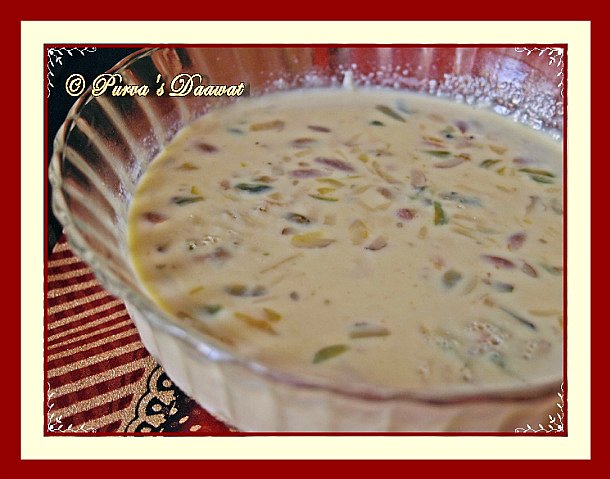
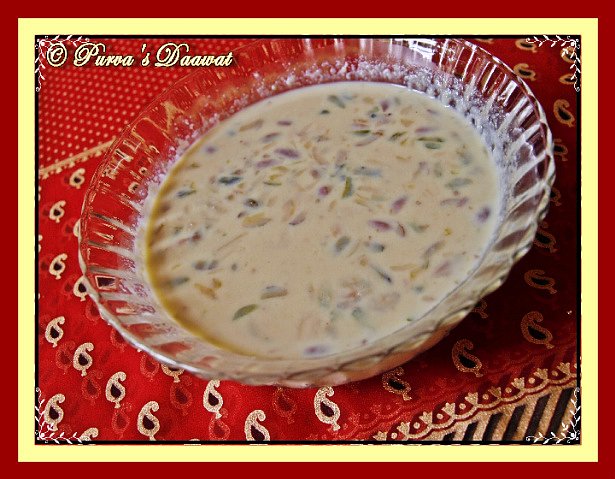
Basundi ~ Awards


basundi


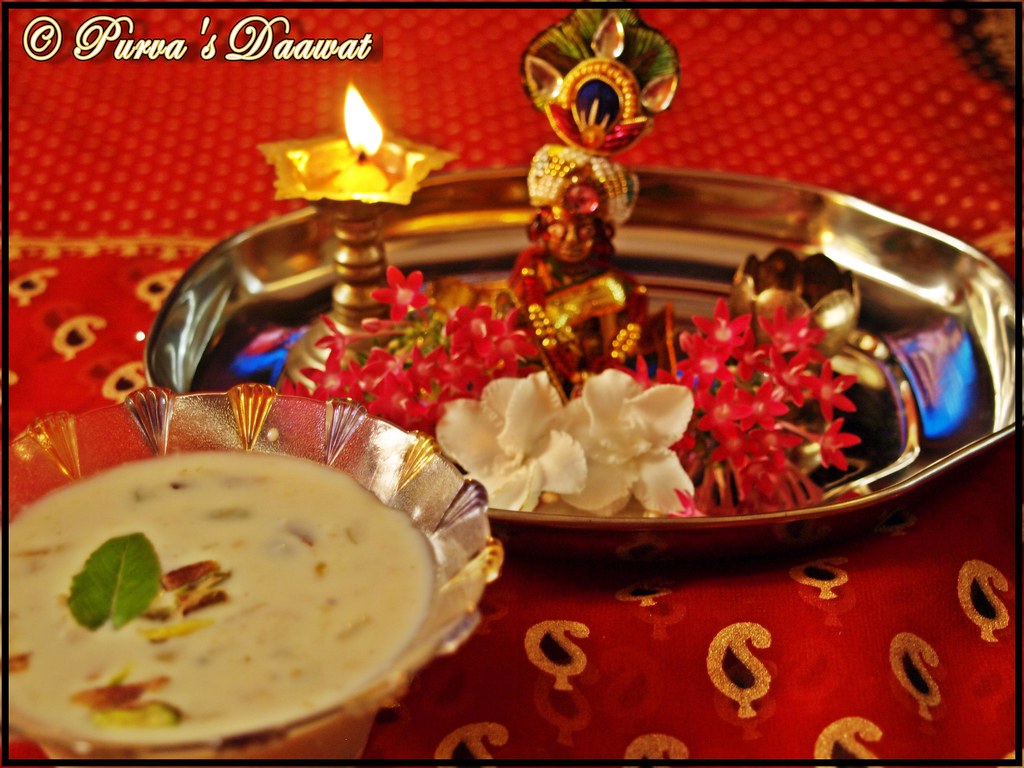
I usually make milk based dessert for Janmashtami as Milk was loved by my Bal Gopal. Last year I made Kheer
for Nandlala and made recently made Kalakand on Rakshabandhan, so decided to try my hands on Basundi this time.

Inspite of Swine flu scare in Mumbai, people were out on the streets with or without mask to watch the Dahi Handi Procession, it did not hamper the festive spirits of people and like always there were lots of Dahi handis all over Mumbai.

Basundi is a rich dessert loved by all in my family. Basundi is a thick, creamy dessert made by burning milk on a low heat and reducing milk to half. It is served chilled and garnished with lots of dry fruits. It is prepared usually during festive seasons in Gujarati households.

The best part about this dessert is one can prepare Basundi, one day in advance, and it becomes more rich and creamier as you chill it more.


Ingredients:
2 Litres of Full Fat Milk
1 Bowl of Sugar
1 Tablespoon of Elaichi Powder (Cardamom)
1/2 Tablespoon of Nutmeg Powder
3 Tablespoon of blenched nuts (Charodi, Almonds and Pistachio)
A pinch of Saffron

Method:
1.
Take a deep pan (preferrably Non-stick), add 2 litres of full fat milk and bring it to boil.
2. Allow it to boil on a very low flame, keep on stirring it occassionally.
3.
s the milk keeps on burning it will start coating on the sides of the vessel. With the help of a spatula keep on stirring the milk and remove the milk coating from the sides.
4. When the milk reduces to half, add sugar, elaichi powder, pinch of saffron and half blenched nuts.
5. Milk will turn light pink in colour and will be very thick in its consistency. Remove it from the heat and allow it to cool.
6. Once cool down, refrigerate it for few hours. One can see the layers of thick cream on top once the basundi is chilled.
Garnish it with nuts and saffron, serve it chilled.

basundi1


janmashtami naivedya

This whole post is for my very own Janmashtami and Ganesh Chaturthi Event


This post also goes for Sanghi's IFL - Milk Event


Lovely Sangi has showered me with this cute gift ''A Fabulous Blog Award'', Thank you dear, will always cherish your lovely gift


Pinky has also shared with me Kreative Blog award, I love your Blog award and One Lovely Blog Award, Thanks a ton for considering me worthy for this award.


Thursday, 23 July 2009

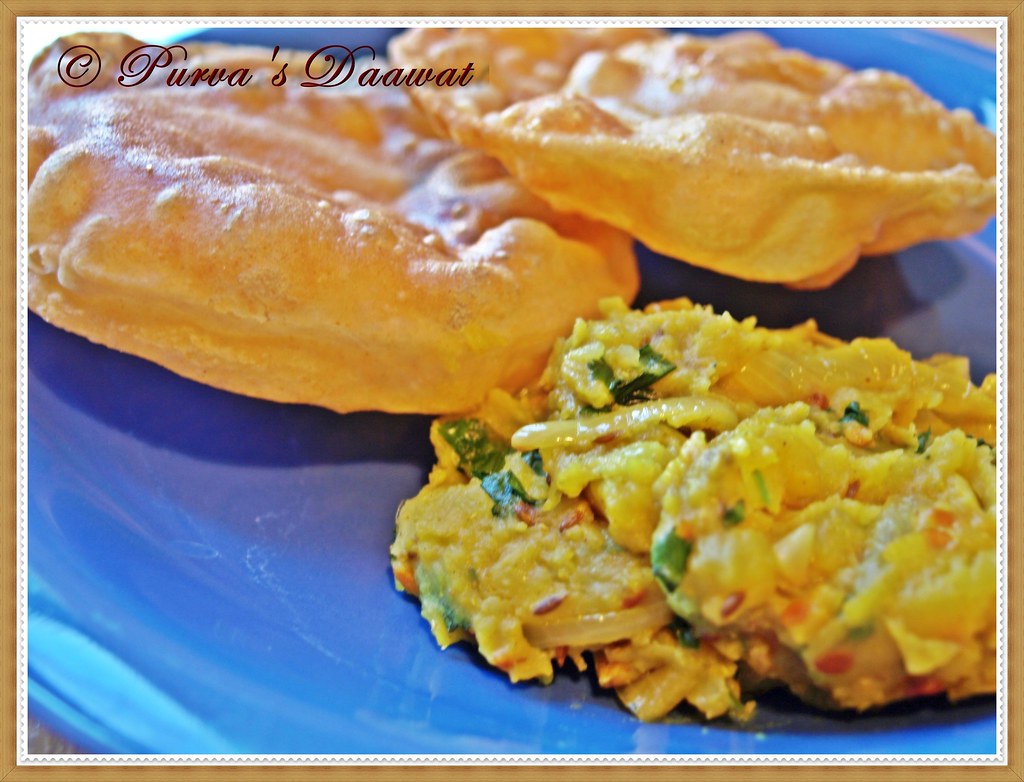
Puri Bhajji ~ Alu Puri

Puri Bhaji

Dear Reader and my fellow blogger friends, I was away from the Blogosphere circuit as I was busy settling things in my new house. But I am back with my favourite breakfast dish Puri Bhajji.

Puri Bhaji is the most popular Breakfast at our place. Puri Bhaji is popularly known as Alu Puri in Northern parts of India.
Its being served as heavy brunch at my place over the weekend. Puris are puffed wheat flat breads, they are served with delicious potatoe vegetable popularly known as Bhajji in Maharashtra. I simply love the aroma of curry leaves in this sabji. This simple yet tasty meal is ideal for a lazy weekend brunch.

Ingredients

For Puris

2 Bowls Wheat flour
2 Teaspoon Oil for Kneading
1 Cup of Luke warm water
1 Teaspoon of salt

Oil for Frying


For Alu Bhajji
5-6 Potatoes
2 Medium sized Onions

5-6 Curry Leaves

1 Tablespoon Garlic Paste

1 Tablespoon Ginger Paste

1 Tablespoon finely chopped Green Chillies
2 Teaspoon Mustard seeds
2 Teaspoon Urad Dal

1 Teaspoon Turmeric Powder

2 Teaspoon Coriander and Cumin seed powder
1 Tablespoon of Lemon Juice

1 Cup of Chopped Coriander

Salt as per taste


Method

For Puri

1. Take wheat flour and sprinkle salt and little oil and mix it well.

2. Add water and knead the dough. Keep it aside for few minutes.

3. Roll small round puris.

4. Heat oil and fry the puris.

For Alu Bhajji
1. Pressure cook the potatoes and remove the skin and keep it aside to cool. Mash the potatoes
2. Heat the oil, add a pinch of asafoedita and then add urad dal and mustard seeds. Once the seeds starts spluttering add curry leaves, ginger and garlic paste.

3. Add chopped onions and saute for few minutes till they light golden brown.

4. Add turmeric powder, coriander and cumin powder.

5. Add mash potatoe
s and salt as per taste and mix well.

6. Cook for few minutes and spread lemon juice and garnish it with coriander leaves.
Enjoy yummy hot puris with alu bhajji

Here is my entry fot my Dear Friend EC's WYF - Breakfast Event


https://blogger.googleusercontent.com/img/b/R29vZ2xl/AVvXsEhbeQar_EBYPkwvMnkfBFiZQYqlppYo870ech75psUUlfKxQ4n-JkGlX5UZubWe-mLMAQWLHE1jd7R02dsbmdVI2h2umNPSPpiVoViCX0wyj9q0EaXwtjnxTHdFDcPNJSVBL9fI1slfEV07/s320/logo+aug.JPG


Read more...

Wednesday, 24 June 2009

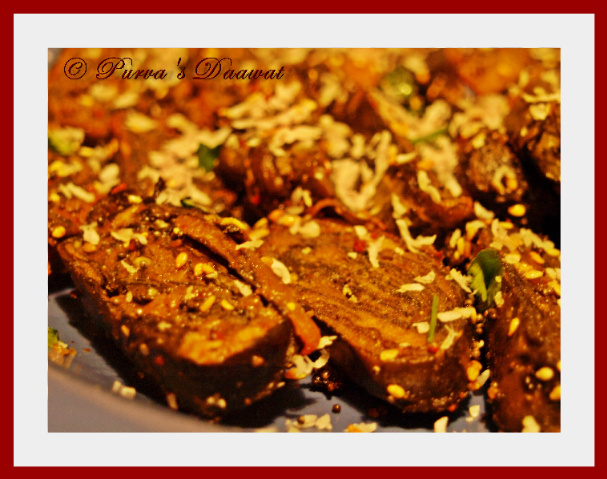
Patra ~ Alu Wadi ~ Taro Leaves Pinwheels


alu wadi
Align Centre


One can see few similarities in Gujarati and Maharashtrian cuisine, due to the geographical similarities in these two states. Infact they were one state before India got Independence. On 1st May 1960, these two states of Maharashtra and Gujarat were formed on linguistic lines.
Few dishes are prepared in Maharashtrian as well as Gujarati Cuisine but have different names, like Puran Poli is a Maharashtrian sweet dish, which is known as Gali Rotli in Gujarti Cuisine. Famous Gujarati Khandvi is known as Suralichi Vadi. One such dish which is prepared in both the cuisines is Patra ~ Alu Wadi.

Patra ~ Alu Wadi is a popular Gujarati and Maharashtrian snack. Taro or Colocasia leaves are rolled and filled with besan tangy and spicy paste. It resembles a green and gold pinwheel when sliced. Patra is also known as "pathrode," and the leaves are also called "alu" or even "elephant ears." The art of rolling the patra is important so that it binds the paste with the leaves while they are being steamed.


Ingredients:
8 - 10 Patra Leaves /Alu Leaves/ Taro Leaves Half Bowl of Besan (Bengal Gram Flour) 2 Tablespoon Garlic Paste
2 Teaspoon Red Chilli Powder
1 Tablespoon Tamarind Pulp
1/2 Teaspoon Turmeric Powder
1 Teaspoon Coriander Powder
11/2 Tablespoon of Jaggery
Salt as per taste
Oil

1 Teaspoon Mustard seeds
1 Teaspoon Fenugreek seeds
2 Teaspoon Sesame seeds
Grated Coconut and Coriander leaves for Garnishing

Method:

1. Wash all the Taro leaves carefully and then wipe it with clean cloth.


2. In a small bowl dissolve Jaggery and Tamarind pulp and leave it for 30 minutes.
3. Now make thick besan paste in a bowl, by placing besan, garlic paste, red chilly powder, coriander powder, turmeric powder, Salt to taste, tamarind and jaggery pulp. Add oil to this paste and if required very less water to make a thick paste.
4. On a clean surface, place a big taro leaf and with the help of your fingers spread the besan paste on the front side of the leaf.
5. Now a place another smaller leaf on the bigger leaf and apply the besan paste on it.
6. Now fold both the sides of layered leaves and keep applying the besan paste on every fold. Now roll the leaves tightly and keep on applying the paste on every fold and make a log.


7. In a similar way apply the paste to the rest of the Taro leaves.
8. Steam the Taro leaves log for 20 - 30 minutes.
9. Once they are steamed, allow them to cool and then cut the logs vertically. Once they are cut the will give a pin wheel look filled with spicy and tangy besan paste.


10. Few people prefer eating steamed Patra / Alu Wadi by dipping it in oil. And few deep fry them. But I prefer it by tempering them.
11. For tempering, heat oil in a deep vessel. Once the oil is hot add Mustard seeds and fenugreek seeds. Once they start spluttering add Sesame seeds.
12. Place the steamed Patra / Alu Wadi in this tempering and mix it well. Allow it to cook in this tempering for 1 Minute.
13. Garnish the Patras / Alu Wadi with grated Coconut and chopped Coriander leaves and serve it with either hot tea or serve it as a side dish in your main course

This is my entry for Priyanka's Shaadi Ki Thali Event, as Patras are prepared as one of the savoury snack during Gujarati weddings


Read more...

Wednesday, 20 May 2009

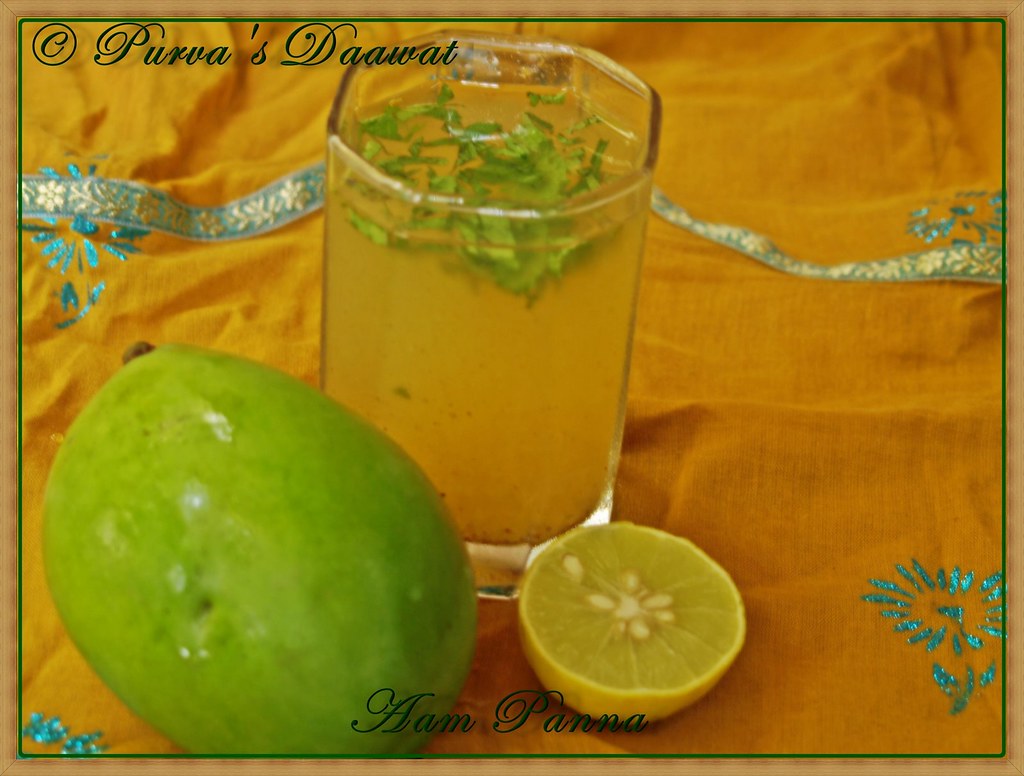
Aam Panna ~ Kayree Panha


aam panna


With the Onset of Summers starts the season of King of Fruits - Aam ~ Mangoes. The sweltering heat of summers consumes lot of your energy and make you go dehydrated. Heat stroke and heat exhaustion are the most serious health illnesses caused by hot environments, and a real danger to people who work outside in the summer.
One such power booster drink comes to the rescue to prevent heat stroke ~ Aam Panna.
Aam panna for North Indians and Kayree Panha for Maharashtrians, this drink is a must in our house during summers. It is prepared using raw mangoes, sugar and an assortment of spices. This drink is a wonderful source of vitamin C and prevents the loss of excessive sodium chloride and iron from the body during summer due to sweating. It also prevents summer diarrhoea, colds, piles, morning sickness, indigestion and constipation. The spices used in this drink like Rock salt is cooling, anti-acidic, anti- bilious, anti-phlegmatic, and digestive. It has natural minerals, which are absent in commercial table salt.Cumin helps to prevent flatulence.
With Aam Panna to my rescue in Summers I can happily sing this famous number of Beatles ~
''Here comes the sun, here comes the sun, and I say it's all right"

Ingredients:
2 Raw Mangoes

1 Bowl Sugar

1 Teaspoon Grounded Pepper
2 Teaspoon Roasted Cumin Powder

2 Kesar / Saffron Strands
Rock Salt to taste
Water
Crushed Ice
1 Tablespoon Chopped Mint Leaves

Method:
1. Peel the skin from the raw mangoes and pressure cook it.
2. Once the mangoes are properly pressure cooked, remove the pulp of the cooked mangoes.
3. Add sugar to the pulp and blend them together with the help of the blender.
4. Now heat on a low flame the raw mango pulp and the sugar mixture and add rock salt, kesar and roasted cumin seed powder to the pulp. Allow the pulp to heat for 2 minutes and remove it from the gas.


5. Allow it to cool. Before serving mix the pulp crushed ice and pour chilled water. Garnish it with chopped mint leaves.
One can even store the mango pulp in a bottle for 4 days and serve with chilled water as and when required.

Here is my entry for Priti's Summer Treat Event


My new friend Lena has shared with me I love your Blog award. Lena! Thanks for considering me for this award.


Read more...

Thursday, 9 April 2009

Horse Gram and Moong Dal Vadi Sabji

kulith


Horse gram is one of the lesser known beans. Even I was not aware about this pulse which is high in Iron and rich in Protein until I saw this dish on one of the cookery show. It is also known as Gahat, Kulath or Kulthi, in India and is grown here to be used as food and fodder. Horse gram is also good for dissolving kidney stone. Add chillies as per your taste palates.

Ingredients
250gms Kulthi (Horse Gram)

100gms Moong Dal Vadi

1 Chopped Onion

2 Tomatoes

1 Tej Patta (Cinnamon Leaf)

1 Whole Red Chilly
1 Teaspoon Cumin seeds
1 Tablespoon Ginger Garlic paste
1 Teaspoon Green Chilly Paste
1 Teaspoon Turmeric Powder

1 Teaspoon Coriander Powder

Pinch of Hing (Asafoedita)
1 Teaspoon Garam masala powder
Chopped Coriander to garnish
Salt to taste
Oil
Water

Method:
1. Wash horse gram and soak it overnight or for 6-8 hours. Pressure cook the horse gram for 8 -9 whistles as they require prolonged cooking to obtain product of acceptable nature.


2. Fry the moong dal vadis and keep them aside. Heat oil and add tej patta, hing and cumin seeds. Once the seeds starts spluttering add whole red chilly and ginger garlic paste.
3. Add onions and saute them till they are translucent, then add chopped tomatoes and saute till oil starts leaving the sides of the vessel.
4. In a small bowl, place all the dry masalas ~ Turmeric powder, coriander powder and garam masala and add water to make a thick paste. Add this paste in the onion and tomato mixture and allow masalas to cook properly. Addition of water in masalas avoid burning of masalas while they are being cooked.
5. Add fried moong dal vadis and boiled horse gram with little water and allow them to cook on a low flame for few minutes. 6. Once they are cooked garnish it with chopped coriander and serve it with hot rotis.


Read more...

Thursday, 12 March 2009

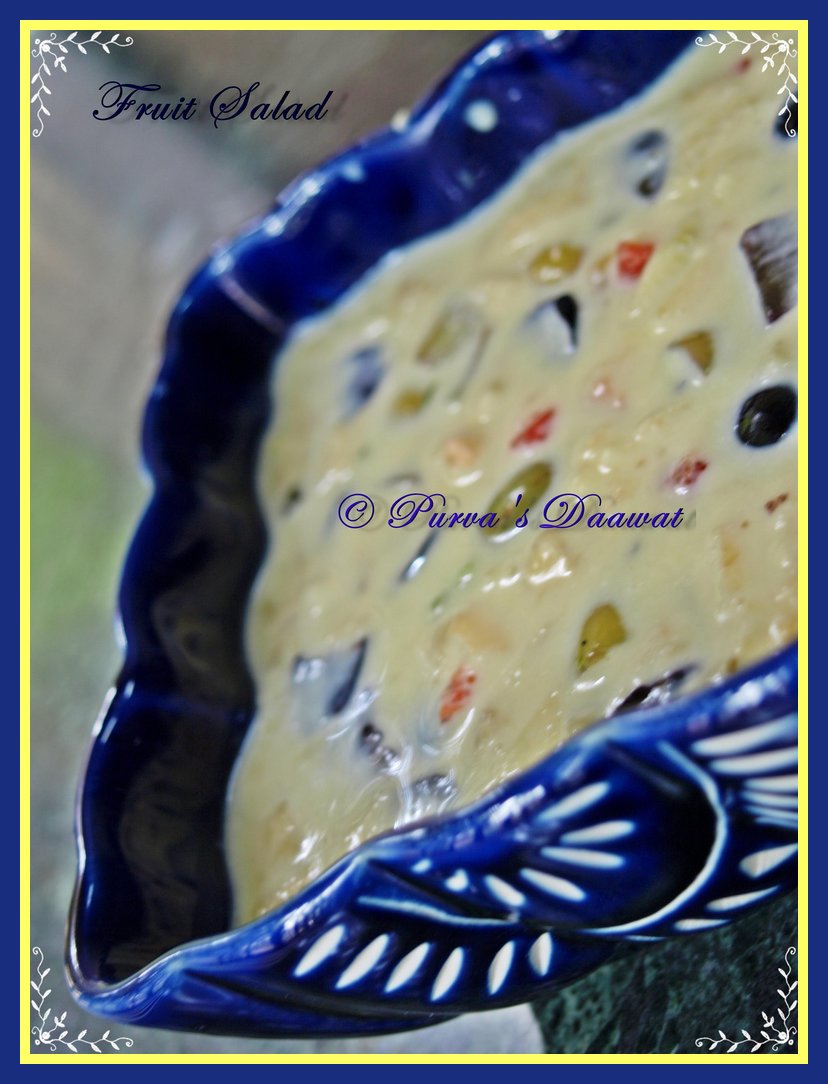
Fruit Salad and Awards


Fruit Salad


The Indian sky is changing - the March winds are coming in and winter begins to bow out. Holi is the festival that carries the country into the bright days of summer. A feeling of plenty is in the air with the crops cut, and the farmer enjoying a bountiful of harvest. 'Holi' falls on the full moon, in the month of Phalgun, which spans the end of February and the beginning of March on the Gregorian calendar. A time when spring is in the air.

Holi is a harvest celebration marking the climax of spring. Bonfires are lit, marking both the end of winter and the death of evil, and proceeds from the seasonal harvest- grains, coconuts etc- offered to the flames. The next day, dhuleti involves plenty of colour throwing, prayer, fasting and feasting. People have fun throwing coloured powder and colourful water at each other. This year I am at my hometown Mumbai celebrating the festival at the fullest. I had prepared Fruit Salad for the dessert on Holi. This simple dessert, packed with delicious fruits will be best summer cooler. One can select any seasonal fruits but avoid using citric fruits like orange, sweet lime while preparing fruit salad, but I avoid using them as they fall under Sanyoga Virudh Catogery means food combinations which are contradicting under Ayurveda. Citric juices of these fruits will tear the milk.Other delicious items prepared for Holi will follow in the other posts.


This is my Entry for the Colourful Event 'Holi Hai'


This post also goes for Magnificent Click Contest hosted by Gayathri

Ingredients:
1 Litre Milk
4 Tablespoons of Custard Powder
3/4 Cup Sugar
6 Finely Chopped Bananas
2 Big Finely Chopped Apples
5 Finely Chopped Chickoos
1 Cup of Pomegranate 1/2 Cup of Chopped Green Grapes
1/2 Cup of Chopped Black Grapes
1/2 Cup of Tutti Fruity (Optional)
1/2 Cup of Chopped Almonds (Optional)

Method:

1. Boil the milk on a very low flame. Boil it for almost 20 minutes.
2. Melt the Custard powder by adding 2 tablespoon of boiling milk.
3. Add the melted Custard in the boiling milk along with the sugar and keep stirring the boiling milk.
4. Once the custard and sugar is dissolved properly and the milk is thick i consistency, remove the milk from the gas and allow it to cool. Once the milk is cool, refrigerate the custard milk for almost 3 to 4 hours.
5. Add apple, banana, chickoos, tutti fruity and almonds in the custard milk and again chill the milk by refrigerating it.
6. Just before serving add citric fruits like grapes and serve the delicious Fruit Salad.


Its time to acknowledge long awaited awards

Trupti of Ruchira has passed this lovely Super Chef Award, Thank you for considering me worthy for this award.


Jaishree and Gita has passed me these bundle of awards, I am really lucky to have such dear friends like you.


I would like to share these bundle of joy to Smitha, Prema, Priyanka, Soma, Vicky, Lakshmi Venkatesh, Lubna, Cham, Trupti, Varsha, Priya and Chandani.


Read more...

Tuesday, 17 February 2009

Vegetable Poha


Breakfast is the most important meal of the day as it is considered the brain of the food. After a long fast of about 7-8 hours of sleeping our body need fuel to carry out the activities throughout the day. Skipping breakfast with an intention of losing weight is not a wise idea, as the fasting period increases making you feel hungrier. As a result you tend to binge in the meal which you first eat leading to over consumption of excess calories. Thus ultimately you gain weight instead of losing. Many studies prove that children who avoid breakfast are not able to pay full attention in school hours, have more than desired body mass index, or have low iron stores in the body.


A healthy breakfast is what one should emphasize on. Here is 'Vegetable Poha' which contains of nutritional value of many vegetables and can be prepared in a jiffy. This way you can make kids eat more vegetables and will bring creativity in your daily brunch.

Ingredients
500gms Poha / Flattened Rice

1 Chopped Medium sized Potato
1 Chopped Medium Sized Onion
1 Chopped Tomato

1 Chopped Small Carrot
1 Chopped Small Capsicum
1/2 Cup of Boiled Peas

1/2 Cup of Boiled American Corn
1 Tablespoon of Peanuts
1 Finely chopped Green Chilly
1 Teaspoon of Coriander powder
1 Teaspoon of Cumin powder

1 Teaspoon of Turmeric powder
1 Teaspoon of Red chilly powder

1 Teaspoon of Mustard seeds
1/2 Teaspoon of Hing / Asafoedita

3 to 4 Curry Leaves
1 Tablespoon of Lemon Juice

Salt as per taste
Oil
1/2 Cup of Sev

Finely Chopped Coriander to garnish

Method:
1. Wash the poha in a running water, once cleaned transfer them in a colander to remove all excess water. Keep it aside to drain the water for 5 minutes.

2. Heat the oil in a pan, add hing and mustard seeds, once the seeds starts spluttering add peanuts, curry leaves and chopped green chilly.


3. Add potatoes and a pinch of salt and close the pan with the lid, allow the potatoes to cook.

4. Once the potatoes are cooked, add onions and saute them till they are golden in colour. Add all tomatoes and other vegetables mentioned above and allow them to cook for a minute.

5. Later add coriander powder, cumin seed powder, turmeric powder, red chilly powder and salt as per taste. Mix it well with the vegetables and allow it to cook for few minutes.

6. In the end add the softened, drained poha and mix it properly and cook for 2 minutes. Sprinkle lemon juice, coriander mix it and remove it from the heat.

7. Sprinkle sev before serving.

Your colourful and healthy breakfast is ready


Read more...

Monday, 27 October 2008

Ghughra ~ Karanji ~ Gujjia


Diwali is the Hindu "Festival of Lights". It is one of the most popular and eagerly awaited festivals of India. It is a five day celebration which occurs on the fifteenth day of the Hindu month of Kartik. The word ''Diwali'' means "rows of lighted lamps".
Diwali festival symbolizes the defeat of evil and the lamps are lit as a sign of hope for mankind.
In many parts of India, it is the homecoming of King Rama of Ayodhya after a 14-year exile in the forest. The people of Ayodhya welcomed Rama by lighting rows (avali) of lamps (deepa), thus its name, Deepavali. This word, in due course, became Diwali in Hindi. But, in South Indian languages, the word did not undergo any change, and hence the festival is called Deepavali in southern India. Southern India marks it as the day Lord Krishna defeated the demon Narakasura.

This time I am away from homeland and miss everyone during Diwali. Inspite of being away from home I have tried to celebrate Diwali with equal zeal and enthusiasm and following the same customs and traditions which are followed at my home back in Mumbai.
Diwali is the time, when Indians go for spring cleaning their homes, and decorating them with home decorative and new home furnishings. Buying new clothes and jewellary, making loads of Diwali goodies, visiting relatives and friends with Diwali gifts and bursting fire crackers.
Diwali starts with Vasu Baras, from this day we start lighting our houses with diyas and lights. We lit diyas everyday till Dev Diwali.
Next day is called ''Dhanteras'' or ''Dhanatrayodashi'' on this day we Gujaratis perform pooja of the 'Dhan' means wealth. And make sweets and savoury snacks as Naivedyam or Prasad
. We buy new utensils and gold on this day.
Third day is called 'Kali Chaudash'. It is custom to make wadas on this day in gujaratis.
We wake up early and have bath with scented oil.
The fourth day is called Laxmi Pooja or the day of the Diwali. On this day Goddess Laxmi and Ganesha are worshipped for auspicious beginning and for prosperity and well being. In Gujaratis businessman open their financial books from this day and they worship their Financial books called 'Chopada' and the pooja is called Chopada poojan
.
The fifth day is New Year or Vikram Samvat for us, Gujaratis. The New Year of Gujaratis starts from this day. we get up early and wear new clothes and visit temple and visit our friends and relatives with Diwali Goodies and gifts and wish eachother ''Saal Mubarak''
.
The Sixth day is celebrated as Bhaiduj, it brings together married sisters and brothers. On this day Married sisters decorates her house and make invite her brother over her place for food.
This year in London we visited Trafulgar Square, which is a huge place in Central London, last weekend. A cultural programme on eve of Diwali was organised by Mayor of London. He personally visited the place and innaugrated the festival occassion with Ganesh Pooja, it was followed by Garba and other dance performed by Indians from various parts of UK. Few Indian Celebrities were also invited. On the New Year day there is Chappan Bhog feast and fire carcker show at Swaminarayan Temple in Neasden, London. This temple is the biggest temple outside India.
The most significant things about Diwali are Lights and Goodies. The whole house is decorated with diyas and lights and loads of goodies are cooked before the onset of Diwali and during Diwali days. We Gujaratis make special Sweets and Savoury snacks for Diwali like Ghughra, Mathia, Kharkharia, Mohanthal, Magaj, Chakri, Chevdo, Sev, Gathia, Chorafadi.....the list is endless......besides the normal heavy food on these days. These are just accompaniments or are treated as snacks during Diwali in Gujarati Household. My mouth starts watering thinking about all these goodies.
Due lack of availability of Ingredients in UK, I decided to make two traditional Diwali goodies which we Gujaratis make during Diwali which is Ghughra or Karanji aka Gujjia and Mathia. There are yummy and delicious dishes coming up everyday as all the days of Diwali are celebrated at my place with zeal and vigour. Today's post is for my very own special Half moon sweet, Ghughra.
It is custom in our house to make Ghughra's which is known as Karanji in Maharashtra and Gujjia in Northern parts of India. The only difference in Ghughra or Karanji of western part of India to Gujjia or North India is the addition of Khoya / Mawa in the filling. In Gujjia Khoya is added, which is not added in Ghughra / Karanji to increase the shelf life of the Half moon sweet.

Ingredients:
250g. Maida (All purpose flour)
3 tbs. Ghee
Pinch of salt
1/2 Cup of Cold Milk
1/2 Cup of Rawa (Semolina)
1/2 Cup fresh grated Coconut
1tbs. Poppy seeds
1 Cup of Caster Sugar
1 tbs of Cardamom Powder
1/2 tbs of Nutmeg Powder
1/2 Cup of Kishmish and chopped Almonds.
1/2 Cup Khoya / Mawa (Optional)
Oil / Ghee for frying

Method:
1. Take a deep vesssel, heat the vessel with 1 tbs of ghee. Add rawa (Semolina) and saute the rawa in the ghee till it turns golden or light brown in colour and you start getting smell of cooked rawa. Once the rawa is cooked remove it from the heat and transfer it in a bowl.
2. Add fresh grated coconut in the heated vessel and fry the coconut till they turn light brown. Dont add oil or ghee for frying as coconut will remove its own oil for the same. Once they are cooked transfer the coconut in the same bowl containing rawa mixture.
3. Now dry roast the poppy seeds and add them in the rawa and coconut mixture bowl. If using mawa or a khoya roast the same in a heated vessel and add it to the rawa mixture once done. Add caster sugar, cardamom powder, nutmeg powder and dry fruits and allow it to cool for few minutes.


4. Now take maida, add 2 tbs of ghee, punch of salt and mix it with the maida. Add cold milk and knead a dough.
5. Now roll the maida dough in round shape and place the stuffing mixture in between.


Apply milk with the tip of your finger tips on the edges of the round shaped maida roti. Now seal the edges and give it a Half moon shape. Seal the edges carefully so that the stuffing does not come out while frying the Ghughras / Karanji / Gujjia.


6. In the end fry them in Ghee or oil. If you are not using khoya or mawa one can store them for 10 days in an air tight container.


Flower Rangoli

As per the tradition I have made a simple Flower Rangoli near the entrance of my house.Due to lack of Rangoli colours I have used fresh flowers. Bought a flower bouquet and pluck all the petals of the flowers and made a Flower Rangoli.


Wishing All Happy Diwali and Prosperous New Year

Send this free eCard


The whole post is my entry for Priti's Diwali Celebration Event.

[FF+Diwali.JPG]


Read more...

Wednesday, 3 September 2008

Ukadiche Modak ~ Ganpati Bappa Morya


Happy Ganesh Chaturthi

Vinayagar Chaturthi Glitter Graphics Icons n Comments @ orkut-scrapbook.com


Its ''Ganesh Chaturthi ~ गणेश चतुर्थी'', the auspicious day when Lord Ganesh was born. The festival is observed in the Hindu calendar month of Bhaadrapada, starting on the shukla chaturthi (fourth day of the waxing moon period). Ganesha, the elephant-headed son of Shiva and Parvati, is widely worshipped as the supreme god of wisdom, prosperity and good fortune.

In relation to the festival of Ganesh Chaturthi and the birth of Lord Ganesha whose parents are the divine couple Lord Shiva and Parvati, a very general belief is that Lord Ganesha was brought into existence by a mud statue formed by his mother at the time when she was heading to take bath. She breathed life into the statue so as to let herself guarded from the sudden entry from any outsider. The newly born Lord Ganesha dedicatedly did his duty and prohibited even his father Lord Shiva from entering. His father in rage cut off his head but then suddenly realized that it was his own newly born son. After being cooled down, Lord Shiva replaced Ganesha’s head with an elephant head for blessed his son with the title of the first to be worshipped deity. Since then the birth of Ganesha is celebrated in the name of Ganesh Chaturthi Festival.

While celebrated all over India, it is most elaborate in Maharashtra,Goa, Gujarat, Karnataka and Andhra Pradesh, and other areas which were former states of the Maratha Empire. The jubilations extend till the following ten or twelve days. The whole atmosphere of celebration welcomes the arrival of great Lord Ganesha on the Earth.

In Mumbai and Pune, the charm of the festival is witnessed by the beautiful decorations of various ‘pandals’ that are honored by the idol of Lord Ganesha seated on the center stage catching the eyes of the whole lot of devotees that surround the whole scene. Along with the music and rhythm of several instruments played to accompany the celebrations, there are the performances of timely ‘aartis’ that carry the enthusiasm of the festival.

During the festivals day's beautifully sculpted Ganesh idols are installed in the Mandaps that are colourfully decorated, depicting religious themes or current events. Each locality make their own special pandal. People attribute considerable social significance to the pandals as communities compete with each other to put up a more outstanding one. Various cultural shows and events are organised by Sarvajanik Pandals.

In my apartment, in Mumbai we get Ganpati every year for 11/2 day, as a kid we used to help elders to build pandals and decorate the whole pandal. There were Aartis three times in a day and we used to stuffed ourselves with soo many delicious Prasads and Naivedya offered to Lord Ganesh. Then we used to visit our friends and families who used to get Ganpati, visit various sarvajanik pandals.
Last year was special Ganesh Chaturthi as it was the last one I was celebrating in India. This is picture of Ganpati celebration in my apartment last year.


Ten days of Jubilation just passes and the day of Ananth Chturdashi, comes when Ganpati Idols are taken for Visarjan. We usually go to Juhu beach which is very near to our house. However on the day of Ananth Chaturdashi it takes ages to reach the beach, as everyone is out dancing on the street yelling '' Ganpati Bappa Marya, pudhchya varasi lavkar yaa'' means 'O Lord Ganpati, come back soon next year'.

This year, eventhough I am away from homeland, I have decided to celebrate Ganesh Chaturthi in my own special way. The main dish or Bhog or Naivedya offered to Lord Ganesha on the Ganesh Chaturthi day are Modaks of which Lord Ganesha has always been very fond of. Here's my entry for Krishna ~ Ganesh Chaturthi event.


Ukadiche Modak is a Maharashtrian delicacy, and is prepared in almost every household in Maharashtra on Ganesh Chaturthi. Modaks are steamed rice dumplings stuffed with sweet coconut and jaggery mixture.

Ingredients:
For the Filling
1 Cup grated fresh Coconut
1 Cup grated Jaggery
1 Tablespoon of Cardamom powder
1/2 Tablespoon of Nutmeg powder
2 Tablespoons of Kishmish
2 Tablespoons of Ghee

For Rice Dumplings
1 Cup Rice flour
1 Cup Water
1 Teaspoon of Oil
1 Teaspoon of Salt

Method:
1. First prepare the filling. Heat the ghee in a non-stick pan, add grated coconut and jaggery. Mix well till the jaggery melts and in the end add cardamom and nutmeg powder. Keep aside to cool.


2. For the Modak cover, boil water in a pan. When it has reached the steady boil, add oil and salt. Then mix the oil and salt evenly and add the rice flour immediatley. Stir again and again so that no lumps are formed.
3. Cover the lid for sometime, then knead the dough while it is still hot. Make a soft dough.
4. Grease your palm with oil, take a small ball of dough. With the help of your palm flatten the dough to form a cup shape.
5. Fill it with the coconut, jaggery stuffing. With the help of your fingers seal all the edges of the cup and join them to form a peak.
6. Now grease your plate with a teapoon of oil. Place the modaks in this pre greased plate and place it in a steamer.
7. Steam the modak for 15 - 20 Minutes, or till they turn translucent.

Serve them Hot, by drizzling ghee on them.


Read more...

LinkWithin

LinkWithin Related Stories Widget for Blogs

IndiRank


FeedBurner FeedCount

  © Blogger templates Newspaper III by Ourblogtemplates.com 2008

Back to TOP